HOT
Diagnostic & Imaging Equipment
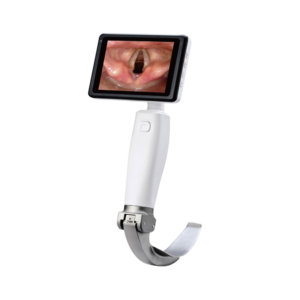
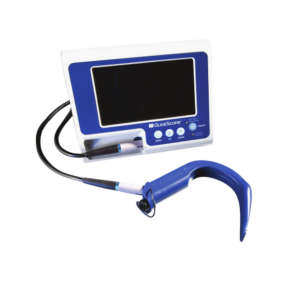
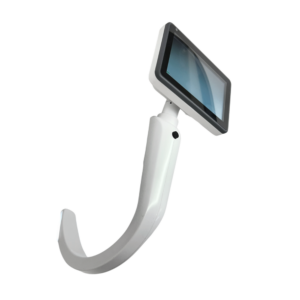
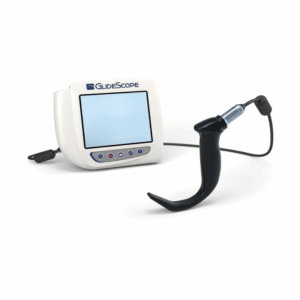
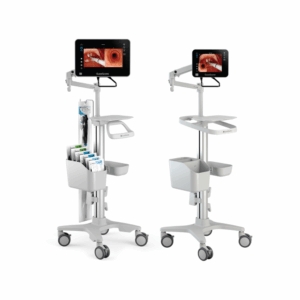
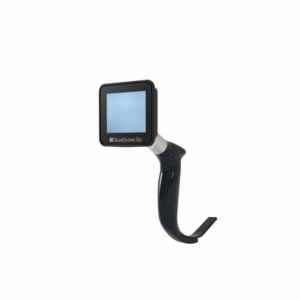
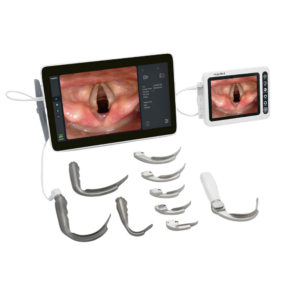
Video laryngoscopes represent a significant advancement over traditional direct laryngoscopy, giving clinicians a high-definition, real-time view of the patient's airway during intubation. Whether used in the operating room, emergency department, or critical care setting, these devices improve first-attempt success rates, reduce airway trauma, and support team-based care through shared visualization.
There are many reasons that may require intubation with an endotracheal tube, including surgery, anesthesia, trauma, or serious illness. Primary use cases include:
Better Viewing
High-definition video laryngoscopes clearly visualize the patient's airway in real time for accurate tube placement, creating convenient viewing options for both the primary caregiver and the medical team.
Increases First Attempt Success
Studies show that video laryngoscopy helps intubate patients on the first attempt more than traditional methods, especially in critical care settings and during difficult intubation.
Lower Rates of Esophageal Intubation
One of the most common intubation mistakes is inadvertent esophageal placement. Video laryngoscopes are proven to reduce this issue significantly, making the overall procedure faster and less traumatic.
Reduces Airway Trauma
Video laryngoscopes require less force than direct laryngoscopes, reducing reflex reactions, tissue irritation and damage, bleeding, and the need for induction agents.
Improved Training & Teamwork
A shared screen lets team members observe the intubation in real time, providing assistance, live training, and a clear signal to other clinicians on event status and potential next steps.
Recorded Events Reduce Additional Procedures
Recorded events can reduce the number of additional exploratory procedures covering the same ground. Any previous damage to the recorded area can be reviewed without a second exploration.
Easier to Use
Video laryngoscopes improve successful intubations in difficult cases and for less experienced providers. The training curve is faster than traditional methods, and enhanced video and lighting reduce the most common mistakes, shortening average time to successful intubation.
Addresses Immobility Issues
With a video laryngoscope it is not necessary to align the airway axes, allowing intubation to proceed in cases with limited head and neck mobility.
Pays for Itself
Considering the critical nature of failed intubations, a small reduction in failure rates has a tremendous positive impact on subsequent health events, costs, and lives saved. Video laryngoscopes pay for themselves through statistically proven improvements in these failure rates.
Add the equipment you need and our team will follow up with pricing and availability.
Request a Quote