Description
Product Summary
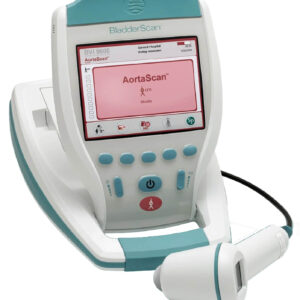
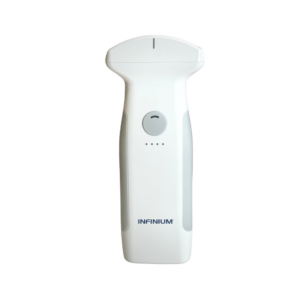
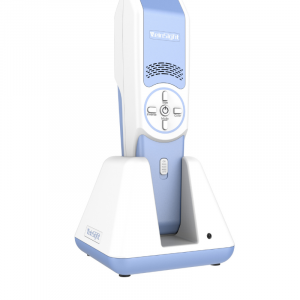
The VioScan Portable Bladder Scanner (2026 Edition), powered by PBS V7.1 technology, is a state-of-the-art, non-invasive ultrasound device designed to deliver fast, accurate bladder volume measurements. By generating 3D images with a single press of a button, it calculates post-void residual (PVR) volume in just 3 seconds, streamlining clinical workflows. Ideal for urology, gynecology, rehabilitation, and radiotherapy, VioScan reduces the need for invasive catheterization, minimizing infection risks and enhancing patient comfort. With seamless EHR integration, wireless connectivity, and a user-friendly 10.3-inch touchscreen, it empowers healthcare providers with precise, patient-centric care in diverse settings, from hospitals to community care.
Key Features
Unmatched Accuracy
±5% or ±5 mL precision with a 128-sensor probe and single-motor design for electronic bladder contour focusing
Rapid 3-Second Results
Delivers bladder volume in 3 seconds via automated 3D imaging with a single button press
Adjustable Scanning Depths
160 mm (6.3 in), 180 mm (7.1 in), or 200 mm (7.9 in) depths selectable via on-screen depth icons
Wireless Connectivity
Wi-Fi and Bluetooth transmission to HL7 or EHR systems; QR code and barcode scanning for patient data entry
Drop-Test Certified Durability
Single-motor design minimizes friction for longer lifespan, with negative pressure technology and drop-test certification
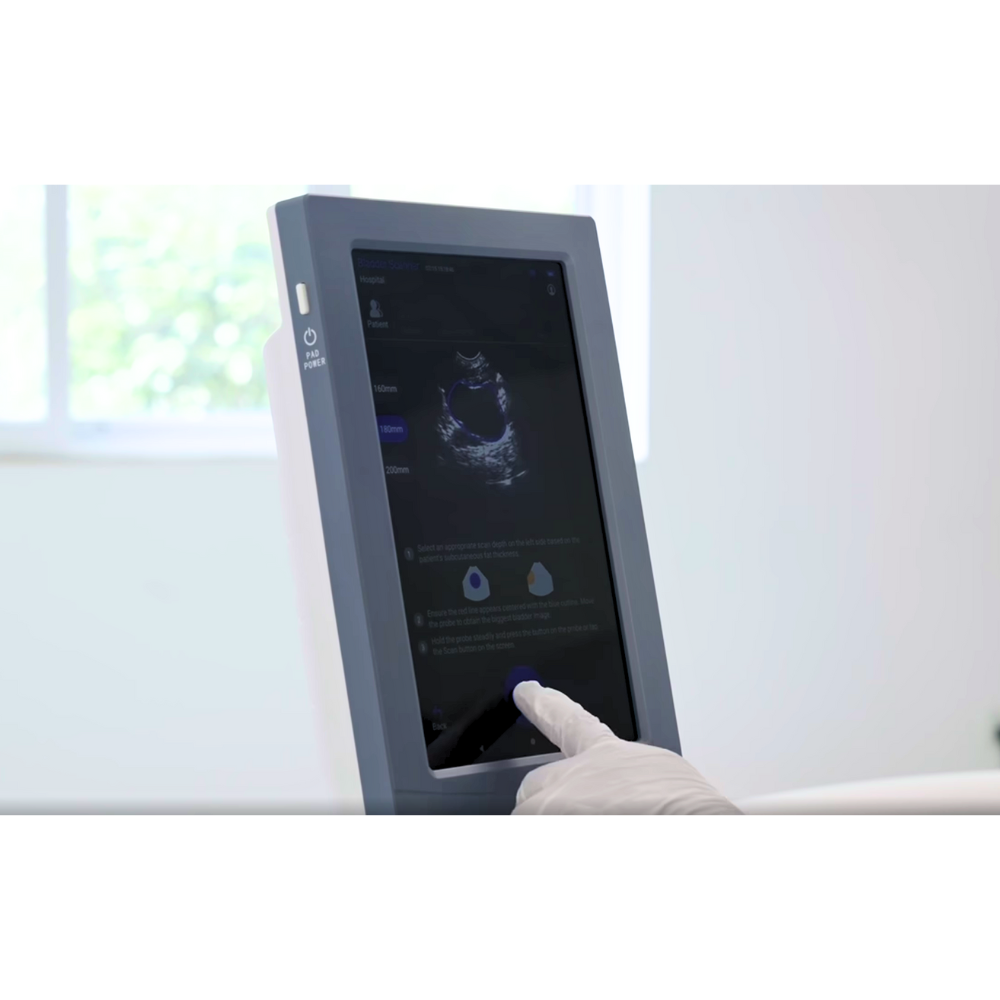
10.3-Inch Touchscreen
Intuitive tablet interface with clear visual guidance and minimal steps for fast, confident operation
Key Advantages
VioScan revolutionizes bladder management by offering unmatched accuracy and rapid results, enabling healthcare providers to make confident decisions quickly. Its portable design and wireless capabilities support seamless integration into busy clinical environments, reducing errors and enhancing efficiency. From preventing urinary tract infections through non-invasive monitoring to supporting ERAS protocols in gynecology, VioScan prioritizes patient safety and dignity while adapting to diverse applications like pelvic radiotherapy and post-operative care.
Standout Features
| Feature | Details |
|---|---|
| Unmatched Accuracy | Achieves ±5% or ±5 mL precision with a 128-sensor probe and single-motor design for electronic bladder contour focusing |
| Rapid Results | Delivers bladder volume in 3 seconds via automated 3D imaging |
| Adjustable Scanning Depths | Offers 160 mm (6.3 in), 180 mm (7.1 in), or 200 mm (7.9 in) depths, selectable via on-screen depth icons |
| Gender-Neutral Operation | Automatically adjusts for all patients, eliminating gender-specific settings |
| Intuitive Interface | Features a 10.3-inch tablet touchscreen with clear visual guidance and minimal steps |
| Seamless Data Integration | Supports QR code/barcode scanning for patient data entry and Wi-Fi/Bluetooth transmission to HL7 or EHR systems |
| Wireless Printing | Compatible with Wi-Fi and Bluetooth printers for instant reports |
| Enhanced Durability and Safety | Single-motor design minimizes friction for longer lifespan, with negative pressure technology and drop-test certification |
| High-Capacity Storage | Stores up to 10,000 cases with patient IDs up to 18 digits |
| Portability | Compact (14.4 in × 8.2 in × 2.1 in) and powered by a rechargeable lithium-ion battery |
| Versatile Scan Modes | Supports human and phantom modes for clinical use and calibration |
| Accessories | (Optional) Mobile Cart, (Optional) Bluetooth printer, & (Optional) print paper |
| Warranty | 2 years standard, with optional 1-year extension |
Clinical Applications
| Application | Clinical Detail |
|---|---|
| Spinal Cord Injury (SCI) Bladder Management | Supports intermittent catheterization (IC) protocols with real-time bladder volume data for precise timing, preventing overdistension, reducing UTIs, enhancing bladder health, and improving patient quality of life |
| Gynecologic Nursing and ERAS Protocols | Aligns with Enhanced Recovery After Surgery (ERAS) by reducing unnecessary catheterizations and monitoring post-catheter residual volumes, shortening recovery times and improving patient safety |
| Pelvic Radiotherapy Preparation | Ensures consistent bladder filling for precise radiation dosing via a standardized protocol (e.g., empty bladder, drink 500 mL, scan to confirm baseline volume), improving targeting accuracy and minimizing radiation exposure to adjacent organs |
| Urology and Post-Operative Care | Monitors bladder function non-invasively to guide interventions and assess urinary retention, reducing complications like infections and supporting timely clinical decisions |
| Emergency and Community Care | Portable design enables bedside and outpatient assessments for rapid diagnostics in diverse settings, expanding access to high-quality care outside traditional hospital environments |
| Preventive Care | Shifts focus from reactive to proactive bladder management, reducing unnecessary procedures and aligning with global healthcare priorities for safety, efficiency, and patient dignity |