Equipment Tips & Insights

Medical Equipment Topics – from Infinium

Guides, news, and practical advice on medical equipment for outpatient, surgical, and critical care settings.

surgical table

What Are the Main Types of Surgical Tables?

Do you manage a medical facility? Are you responsible for ordering equipment for a hospital? You must have the right equipment to serve patients.  A surgical table is an integral part of any procedure. Data shows that 48 million surgical inpatient procedures are performed each year. Without the right surgical table, a surgical procedure can’t […]

Continue Reading

Surgeon with medical monitors

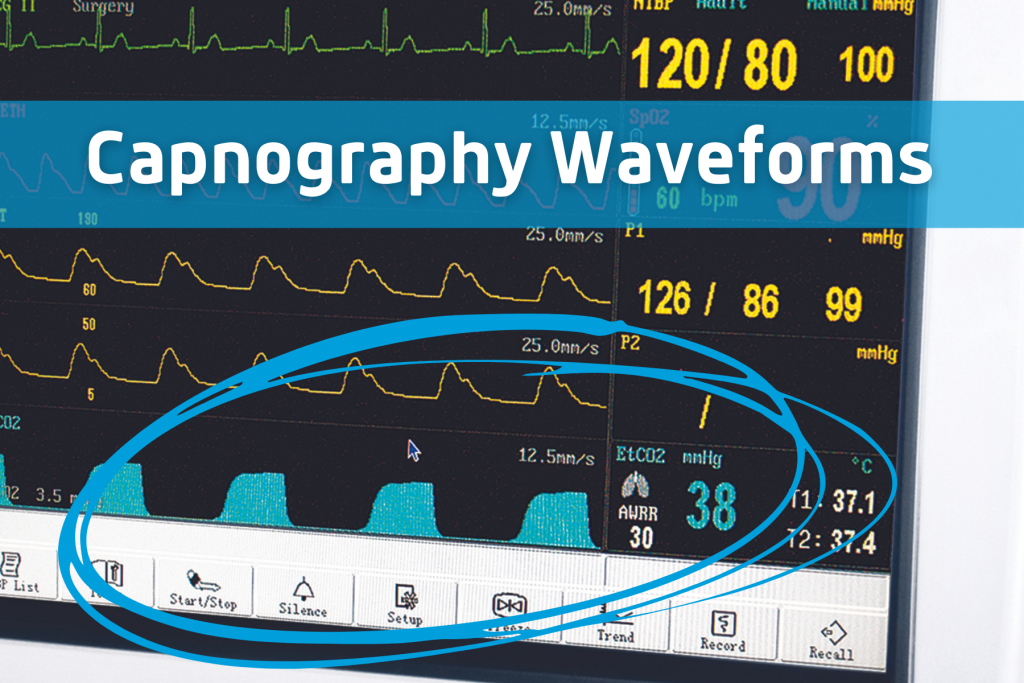
Medical Monitors: A Complete Buying Guide

Did you know that there are approximately 22,000 preventable deaths each year in the United States? Most of these deaths happen from costly medical errors. With our hospital systems straining more than ever, quality medical monitors can make or break it for facilities. These medical-grade monitors can help diagnose, treat, and monitor patients accurately. Understanding […]

Continue Reading

finger pulse oximeter

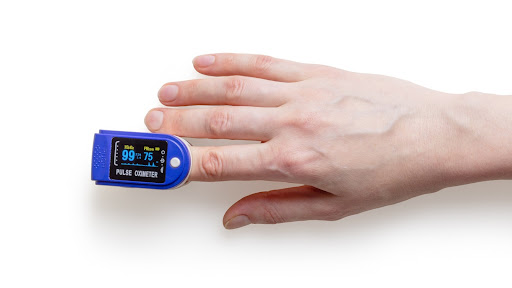
5 Operational Benefits of Using Finger Pulse Oximeter Technology

What is the number one reason why medical facilities need to stay up-to-date with technology?  It’s simple. To provide the best possible care to your patients.  One valuable technological device that is going to significantly improve your practice is the finger pulse oximeter. Pulse oximetry has revolutionized modern medicine. It can lead to quicker treatment […]

Continue Reading

Hospital vitals signs monitor

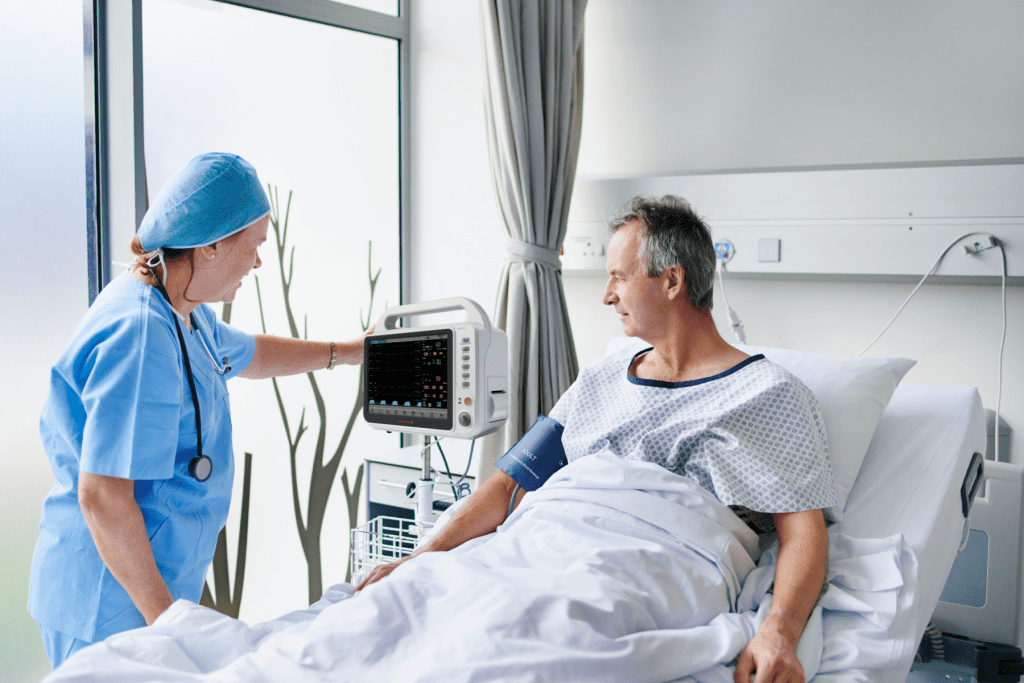
What Vital Signs Monitoring Equipment Does a Hospital Need?

Did you know that there are approximately 130 million emergency visits each year? Approximately 2 million people were admitted into ICU facilities.  Vital signs monitoring is critical for any health care facility. It can provide crucial insight into patients’ health and stability. The type of monitoring device your facility needs depends on common diagnoses and […]

Continue Reading

extracorporeal shockwave therapy

What Patients Can Benefit From Extracorporeal Shockwave Therapy?

On average, surgeons perform about 234 million major surgeries around the world. While surgery can save a person and potentially improve their quality of life, it does not come without risks. Surgery puts people at risk of major complications and even death. The care plan should opt for non-invasive methods whenever possible. In certain instances, […]

Continue Reading

Electrocardiogram exam with machine and patient

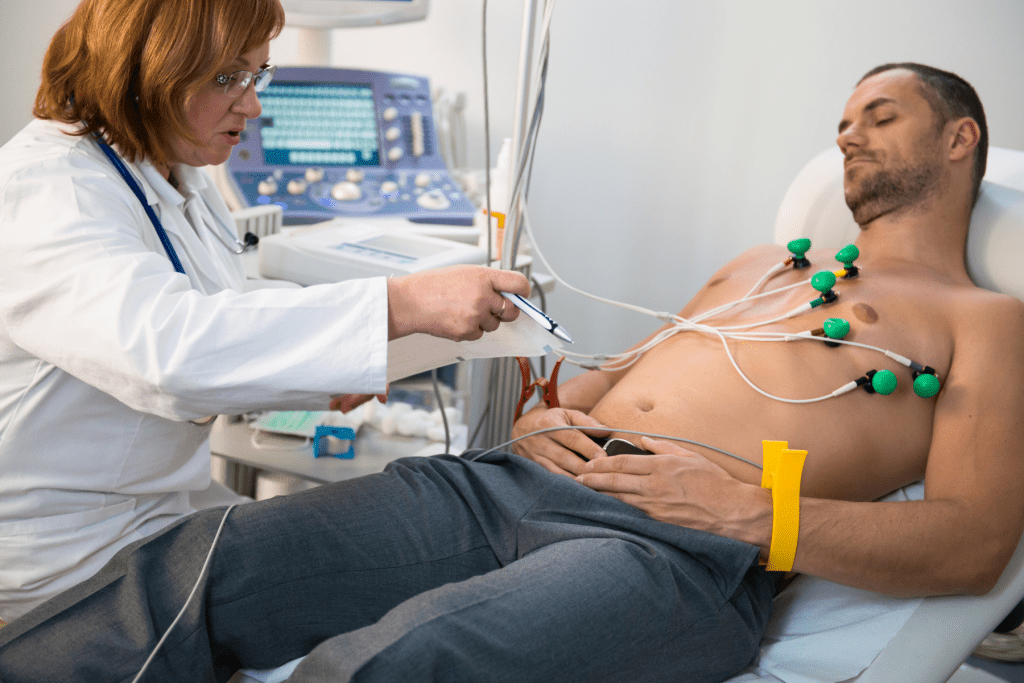
How Do Electrocardiogram Machines Work?

Did you know that heart disease remains the number one cause of death in America? Over 800,000 Americans each year have a heart attack.  This causes increased rates of mortality and disability. Electrocardiogram machines are useful in detecting cardiac conditions that can indicate a higher risk for heart disease. It is also the standard method […]

Continue Reading

surgical lights in the operating room

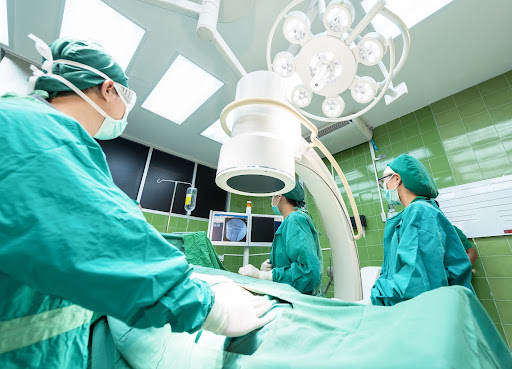
A Comprehensive Buying Guide When Choosing Surgical Lights

Surgical Lights Should Not Be A Distraction Patient safety is a top concern for all of healthcare, including the OR. Considering that every 7.5 minutes, surgical lights need repositioning during surgery, this can lead to unnecessary distractions during a procedure. When surgical lights are readjusted 97% of the time, the surgeon must stop their current […]

Continue Reading

Mounting options for patient monitors

Solutions for Patient Monitoring Mounting

There are over 6,000 hospitals in the United States and close to a million staffed beds. The recent COVID-19 pandemic has pushed many hospitals to the brink. Patient monitoring systems allow physicians, nurses, and other staff members to more closely and remotely monitor their patients.  In a day and age where patients are outnumbering staff […]

Continue Reading

doctor using equipment to monitor vital signs

Readings for Life: The Devices That Monitor Vital Signs

The research is clear: monitoring vital signs is the single most effective way to monitor your patient’s well-being and detect problems before they deteriorate. It’s possible to monitor most vital signs by hand. In a busy clinical environment, though, using a vital signs monitor is the fastest and most accurate way to stay informed about […]

Continue Reading